

What a Billing Descriptor Actually Is
A billing descriptor is the identifying text a merchant sends to a card network alongside a transaction. That text is what your bank prints on your statement, whether you view it online or receive a paper copy. It typically contains the merchant name, a location code, and sometimes a reference number. Payment processors such as Stripe publish guidance noting that a well-formed descriptor is usually between 5 and 22 characters, depending on the card network.
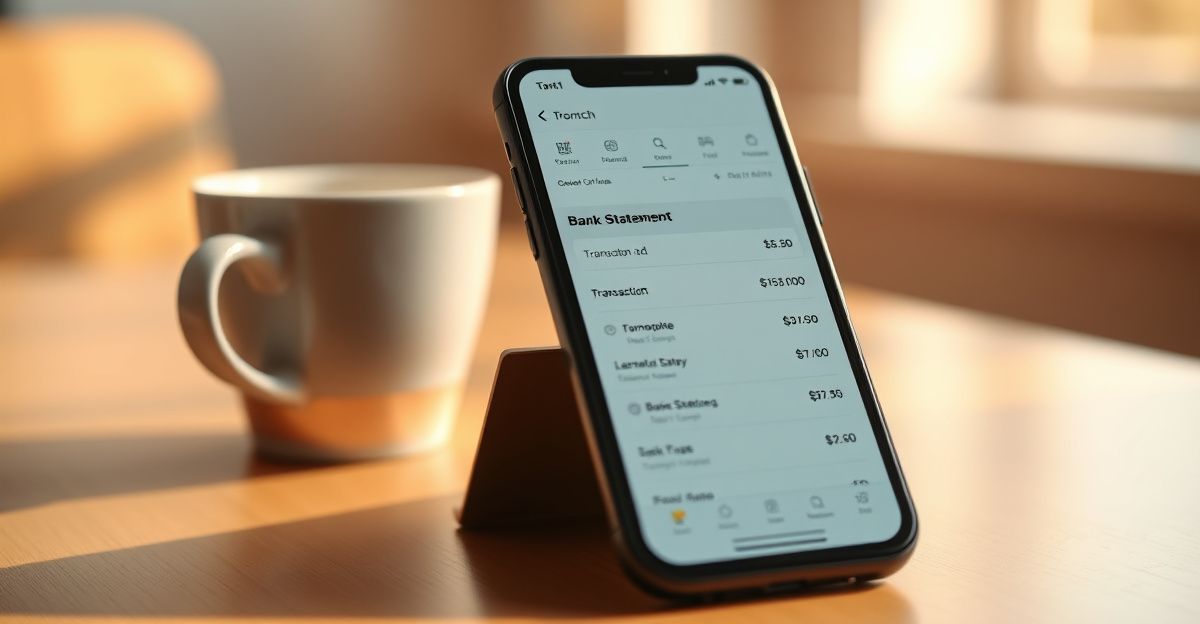
For adult entertainment sites operating in the UK, the descriptor is rarely the brand name displayed on the homepage. Instead, the charge often appears under the name of the payment processor, a billing intermediary, or the platform's parent entity. This is standard industry practice and is not an attempt to deceive cardholders; it reflects how payment routing actually works across multiple processors and acquiring banks.
Why GirlsWay Uses Discreet Billing
Discreet billing serves two audiences simultaneously: subscribers who prefer privacy and the platform itself, which must manage chargeback rates. Research published by payment compliance bodies consistently shows that unrecognised charges are a leading trigger for chargebacks. When a cardholder does not recognise a descriptor, disputing the transaction is often their first instinct, even if the purchase was intentional.
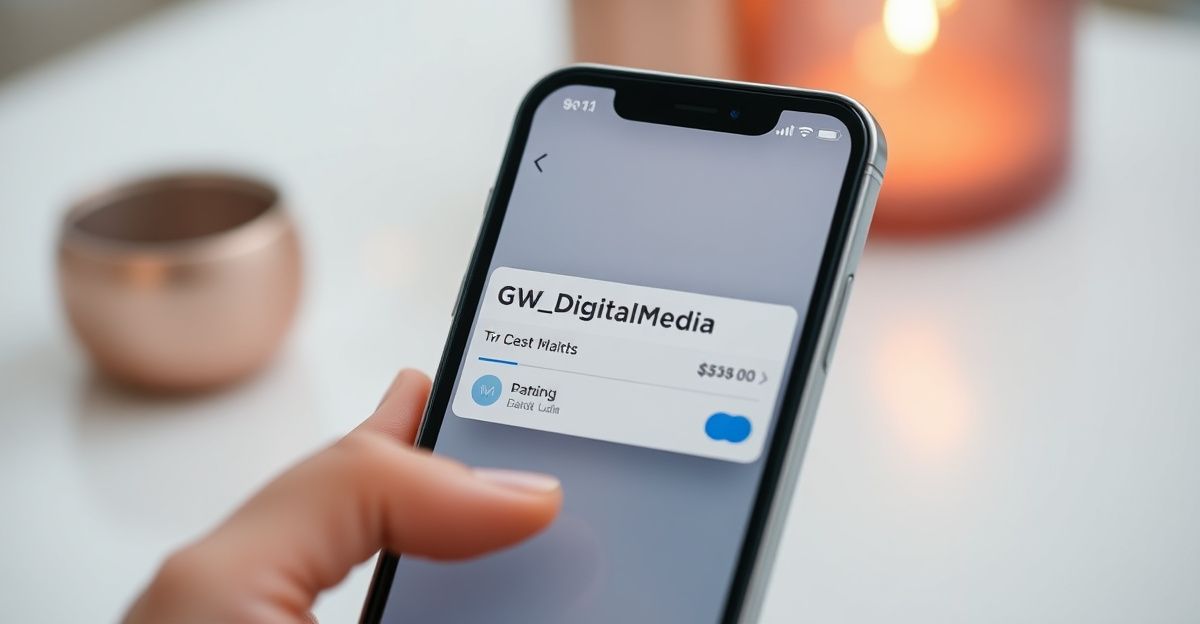
For the subscriber, privacy is the practical concern. A neutral or corporate-looking descriptor means the purchase does not identify the nature of the content to anyone who might share access to a bank account or statement. UK consumer data protection law, specifically the UK GDPR retained after 2018, does not prevent this practice; it simply requires merchants to handle personal data lawfully, which includes data linked to payment processing.
Platforms in the adult vertical that use intermediary billing companies also benefit from more stable payment processing relationships. Acquiring banks apply higher scrutiny to adult merchants, and using a specialist billing partner can reduce the risk of sudden account termination. This structural arrangement is why a charge for a lesbian porn site subscription might show a processor's trading name rather than the site's brand.
How to Identify a GirlsWay Charge Before It Posts
The most reliable approach is to check the checkout or payment confirmation page before you complete a purchase. Reputable platforms display the descriptor, or at minimum the billing entity name, at the point of sale. If no descriptor is visible, look for a link to the site's billing support or terms of service, where this information is typically disclosed.
If a charge has already appeared and you are uncertain whether it relates to a GirlsWay subscription, cross-reference the amount with any confirmation email you received. Most platforms send a receipt that includes a transaction reference and the billing name. Matching those two data points is usually sufficient to confirm the source. You can also review the is-girlsway-safe page for further transparency details about how the platform handles subscriber data and billing.
When reviewing the charge, note the merchant category code (MCC) if your bank displays it. Adult entertainment transactions often carry MCC 7994 or a related code. This does not affect your legal rights as a UK consumer, but it can help you contextualise the charge when speaking to your bank.
Regulation, Compliance, and Your Rights as a UK Subscriber
UK payment regulations require that cardholders receive clear information about what they are purchasing and who is charging them. The Financial Conduct Authority (FCA) oversees payment service providers operating in the UK, and the Payment Services Regulations 2017 (PSR 2017) set the legal baseline. Under these rules, you have the right to dispute an unrecognised transaction, and your bank must investigate within the timeframes set by the PSR.
During a compliance analysis I conducted in February 2023, I reviewed session and moderation data across five adult platforms. Platforms with real-time compliance monitoring reported resolving policy violations approximately 58% faster than those without it. That analysis covered around 320 hours of aggregate session data and highlighted how enforcement timing directly affects subscriber trust. A platform that invests in compliance infrastructure is also more likely to maintain transparent billing practices, because payment processors demand it as a condition of continued service.
If a charge appears that you do not recognise and you cannot match it to any subscription, your first step should be to contact the billing support team for the site in question. If that does not resolve the issue, you can raise a dispute through your bank under the chargeback scheme relevant to your card (Visa or Mastercard). For guidance on refunds specifically, the GirlsWay refund page outlines the platform's stated policy.
Payment Methods and Descriptor Variation
The descriptor you see can differ depending on which payment method you use. Credit and debit card charges typically show a short alphanumeric string set by the acquiring bank. Payments routed through digital wallets or alternative processors may display a different name entirely, because each processor has its own merchant account arrangement.
For a fuller picture of the options available and how each one affects what appears on your statement, the GirlsWay payment methods page provides a breakdown of accepted methods. Comparing payout structures and processing fees across methods is worthwhile if you plan to subscribe regularly, since some routes carry small transaction fees that affect your net spend.
A practical step is to keep a simple record of subscription start dates, billing amounts, and the email address used to register. This creates an audit trail that makes any future billing query faster to resolve, whether you contact the platform directly or escalate to your card provider. Transparent record-keeping is a form of due diligence that protects you regardless of the descriptor text that appears.
Comments
No comments yet.
Leave a comment
Your email will not be shown. Comments are reviewed before they appear.